

US Restricts Tata, Infosys, HCL and Five Other IT Firms From Green Card Filings: What It Means for Indians
The United States has reportedly restricted eight major technology companies, including Tata, Infosys, HCL and Wipro, from proceeding with applications under the Permanent Labour Certification (PERM) programme, an important part of the employment-based Green Card process. The reported action also covers Microsoft, Adobe, Cognizant and Capgemini.

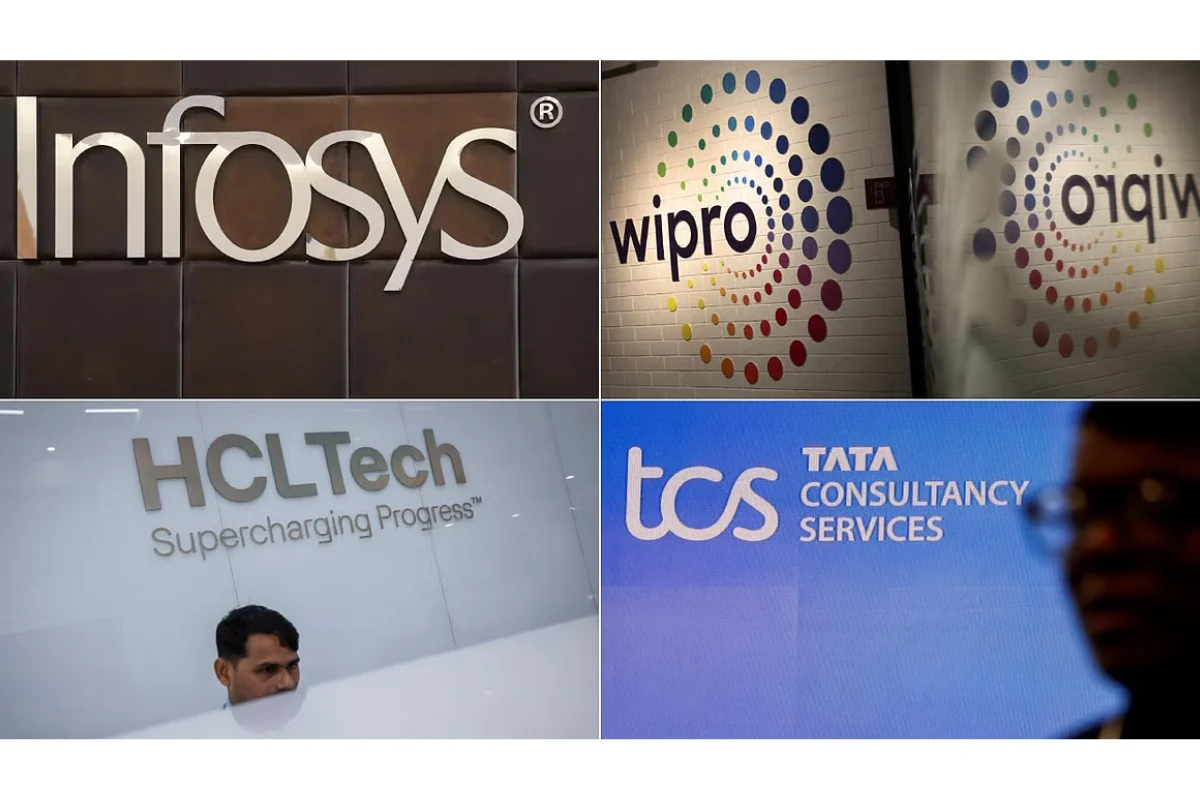
The United States has reportedly restricted eight major technology companies, including Tata, Infosys, HCL and Wipro, from proceeding with applications under the Permanent Labour Certification (PERM) programme, an important part of the employment-based Green Card process. The reported action also covers Microsoft, Adobe, Cognizant and Capgemini.
The decision comes as the Donald Trump administration increases its scrutiny of employment-based immigration and the recruitment of foreign professionals by US companies. Officials have alleged that certain hiring practices under these programmes can disadvantage American workers.
The development could create uncertainty for Indian IT professionals who depend on employer sponsorship to pursue permanent residency in the United States after arriving on H-1B work visas.
Eight IT Companies Affected by the Reported US Action
The companies named in the report are Tata, Infosys, HCL, Wipro, Microsoft, Adobe, Cognizant and Capgemini.
According to the report, the US government will neither accept new PERM applications from these companies nor process their existing applications while the restrictions apply.
The move could affect employment-based immigration plans for eligible foreign professionals working for the companies. PERM is an important stage in the process through which employers seek to sponsor qualifying workers for permanent residency.
What Does the PERM Suspension Mean for Indian IT Employees?
Indian technology professionals working in the US could face delays or uncertainty if their Green Card applications depend on employer-sponsored PERM certification.
Many professionals initially move to the US using H-1B visas and later pursue permanent residency through their employers. A restriction on PERM applications can interrupt progress at this stage of the immigration process.
However, the reported action does not automatically cancel existing H-1B status. The H-1B visa provides temporary work authorisation, while PERM is part of a separate process connected to employment-based permanent residency.
The consequences for individual employees will depend on their immigration status, the stage of their application and the options available to them.
What Is the PERM Programme?
The Permanent Labour Certification programme, widely known as PERM, was introduced in 2005 to streamline the process used by employers seeking to sponsor foreign workers for permanent residency.
Under this system, an eligible employer applies to the US Department of Labour for certification before proceeding with the relevant employment-based immigration steps.
The employer must establish that qualified and available American workers are not sufficient to fill the position. The process must also demonstrate that hiring the foreign professional will not adversely affect the wages and working conditions of similarly employed US workers.
Unlike an individual visa application, the PERM process is initiated by the employer. This makes it particularly important for foreign professionals whose long-term immigration plans depend on company sponsorship.
H-1B Visa and Green Card: Understanding the Difference
The H-1B visa and PERM programme serve different purposes in the US immigration system.
An H-1B visa allows eligible skilled foreign professionals to work temporarily in the United States, generally for a maximum period of six years.
The PERM programme, on the other hand, provides an employer-sponsored labour certification route that can support an eligible worker's application for permanent residency.
Consequently, restrictions affecting PERM applications do not automatically mean that employees lose their existing H-1B work authorisation. However, workers who intend to transition from temporary employment status to permanent residency could face additional complications.
Why the Development Matters for Indian Professionals
The reported restrictions are significant for Indian technology workers who view permanent residency as part of their long-term plans in the United States.
For many employees, employer sponsorship is an important route towards a Green Card after beginning their careers on temporary work visas. If an employer cannot move a PERM application forward, the employee's permanent residency plans may be delayed.
The uncertainty could also influence how technology companies recruit and retain overseas talent. The possibility of obtaining permanent residency can be an important consideration for professionals deciding whether to accept employment in the US.
According to estimates based on US Census data cited in the supplied report, more than 5.2 million people of Indian origin live in the country.
What Other Green Card Options May Be Available?
PERM is not the only possible route to permanent residency. Depending on their circumstances, some individuals may qualify for family-based immigration or employment-related options that do not require the standard PERM process.
These include the EB-1A category for individuals with extraordinary ability and the EB-2 National Interest Waiver. Both have specific eligibility requirements and are not suitable for every applicant.
Processing backlogs and waiting periods can also affect alternative applications. Therefore, workers affected by the reported restrictions would need to assess their individual circumstances before considering another immigration pathway.
Why Is the Trump Administration Tightening Immigration Scrutiny?
The reported restrictions form part of the Trump administration's broader efforts to examine how US employers use programmes designed to recruit foreign workers.
The administration has argued that certain employment practices can reduce opportunities for American workers. Vice President JD Vance has alleged that companies use PERM to replace US employees with foreign professionals and put pressure on wages.
Vance also directed a message towards Microsoft, stating that the company should focus on hiring American workers.
The reported suspensions follow President Donald Trump's move to introduce a one-time $100,000 fee on new H-1B visa petitions for highly skilled foreign workers. The supplied report states that the measure has been blocked by federal court orders.
What Indian IT Workers Should Know
The reported restrictions could complicate Green Card plans for eligible employees of the eight named companies, particularly those whose applications depend on PERM certification.
However, the impact will vary according to individual circumstances. Existing H-1B status is not automatically cancelled by a PERM restriction, and alternative immigration routes may be available to some workers.
For Indian professionals planning to build long-term careers in the United States, the development highlights the importance of understanding the difference between temporary work authorisation and permanent residency.
Sources by Agency
















Comments (0)