

US Reportedly Weighs ‘Mother of All Bombs’ for Potential Iran Strikes as Tehran Vows to Fight On
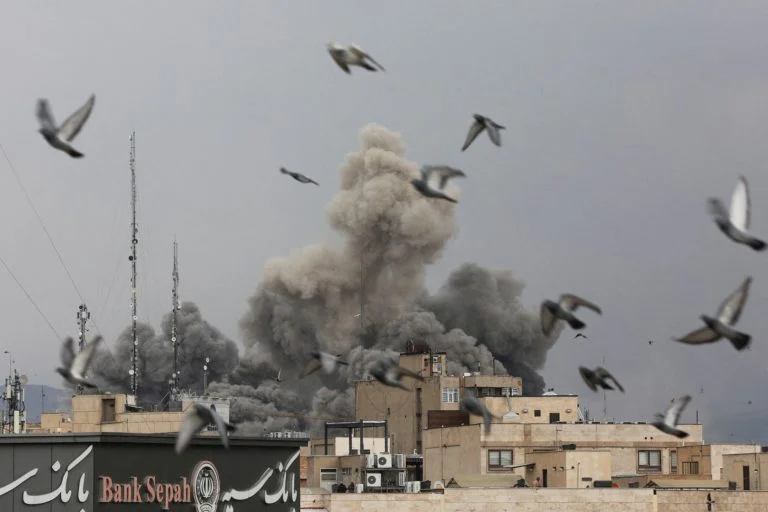
The United States is reportedly examining the possible use of one of its largest conventional weapons if military strikes against Iran resume, while Tehran has vowed to continue pursuing its demands through a combination of military capabilities and negotiations.
According to a CNN report published on October 15, 2026, citing US officials familiar with the plans, the American military has considered deploying the GBU-43/B Massive Ordnance Air Blast (MOAB), widely known as the “mother of all bombs.”
CNBC said it had not independently verified the report. A US official told the network that the Department of Defense prepares for a range of operational scenarios to carry out presidential and defence leadership directives.
The reported contingency planning comes amid rising tensions around the Strait of Hormuz, attacks on shipping and growing concerns about the wider economic consequences of the conflict.
US Military Reportedly Examines Potential MOAB Deployment
The reported military options include the GBU-43/B MOAB, a 21,600-pound conventional airburst weapon designed to affect surface targets across a wide area.
The bomb's large explosive yield makes it a significant weapon in the US conventional arsenal. However, its possible inclusion in contingency plans does not establish that a decision has been made to deploy it against Iran.
The weapon was used by US forces in Afghanistan in 2017 during Donald Trump's first presidential administration. According to the report, it has not previously been used by the United States in strikes against targets inside Iran.
The reported plans underline the range of options the US military may be preparing for if hostilities resume. Whether any of those options will be authorised remains uncertain.
Trump Previously Ruled Out Renewed Strikes Before Midterm Elections
US President Donald Trump said on October 8 that he would not resume military strikes against Iran before the November 3 midterm elections, according to the reports cited in the source material.
That statement has not removed concerns about a possible escalation, as regional security incidents continue to raise the risk of renewed confrontation.
The White House is also facing pressure to demonstrate progress towards its objectives in the Middle East. At the same time, higher energy prices and broader inflationary pressures have added to the domestic economic consequences of the conflict.
The reported military planning and Trump's earlier comments reflect separate developments: preparing operational options does not necessarily mean an immediate attack is planned.
Strait of Hormuz Incident Raises Regional Security Concerns
Tensions have intensified following reports that a container ship sank in the Strait of Hormuz on Wednesday. The waterway is a crucial route for international energy shipments, making disruptions there a major concern for global markets.
Any prolonged interruption to shipping through the strait could affect oil and other commodity supplies, raise transportation costs and add pressure to energy prices.
The situation has also been complicated by reported deadly attacks in Saudi Arabia involving Yemen's Iran-backed Houthi movement.
These developments increase the risk that the confrontation could extend beyond direct US-Iran hostilities and affect other countries and critical infrastructure across the region.
Iran Strengthens Defences as Officials Prepare for Possible Escalation
Iran is reportedly reinforcing security around sensitive energy and nuclear facilities amid concerns that US strikes could resume.
A report by The Wall Street Journal, cited in the source material, said Tehran was strengthening defences around important sites in preparation for the possibility of further attacks.
Such preparations suggest that Iranian authorities are taking the risk of renewed military action seriously. However, reports of defensive measures do not confirm that a new US offensive is imminent.
The possibility of additional strikes could further complicate efforts to stabilise the region, particularly if military action triggers retaliation against infrastructure, shipping or other strategic targets.
Iran Says It Will Combine Military Pressure With Negotiations
Iranian Parliament Speaker Mohammad Bagher Ghalibaf said in a televised address on Wednesday that Tehran would continue using military and defensive capabilities alongside diplomatic negotiations and regional strategic leverage.
His remarks indicated that Iran intends to pursue its objectives through several channels rather than rely exclusively on military action.
According to Iranian state-affiliated media, Ghalibaf said Tehran did not want an endless war. He argued that Iran's objective was to prevent the United States and its adversaries from achieving their goals through military attacks.
Iranian officials have previously called for Washington to lift its naval blockade and sanctions and withdraw US military forces from the region.
These demands remain central to the dispute, although the prospects for an agreement will depend on whether the two sides can find common ground on security and political issues.
Rising Energy Prices Add to Economic Pressure on Washington
The conflict is also having consequences beyond the battlefield. Higher energy prices can increase transport and manufacturing costs, putting additional pressure on households and businesses.
The Strait of Hormuz is particularly important because disruption to shipping through the waterway can affect the movement of oil and other commodities. Even the prospect of further disruption can contribute to uncertainty in energy markets.
The US administration is therefore confronting several pressures simultaneously: managing regional security, pursuing its strategic objectives and responding to the domestic economic impact of higher prices.
The midterm elections add another political consideration, although the reported military contingency plans do not establish how electoral calculations will influence future decisions.
Could the US-Iran Conflict Escalate Further?
The reported consideration of the MOAB highlights the possibility of a more forceful US military response if strikes resume. Nevertheless, the report should not be interpreted as confirmation that the weapon will be used or that an attack has been authorised.
Several factors could shape what happens next, including developments around the Strait of Hormuz, attacks affecting regional security, Iran's defensive preparations and the progress of diplomatic efforts.
If negotiations fail and military action resumes, the consequences could extend to shipping, energy markets and regional stability. Conversely, a diplomatic breakthrough could reduce the immediate risk of escalation.
For now, the reported US planning and Iran's public statements point to continued uncertainty rather than a confirmed decision to restart hostilities.
Conclusion
The United States is reportedly considering a range of military options for a possible resumption of strikes against Iran, including the GBU-43/B MOAB, commonly called the “mother of all bombs.” However, the report has not been independently confirmed by CNBC, and there is no confirmation that the weapon has been authorised for use against Iran.
Meanwhile, Tehran says it will combine military capabilities, defensive preparations and negotiations to pursue its demands.
With tensions surrounding the Strait of Hormuz, regional attacks and energy prices continuing to shape the crisis, the next developments will be crucial in determining whether the confrontation moves towards renewed military action or a diplomatic solution.
Sources By Agencies

Startup Tribune Team is the editorial team behind Startup Tribune, covering startups, business, entrepreneurship, technology, funding and innovation. The team publishes news, company updates and industry insights to keep readers informed about the latest business developments through clear, relevant and responsibly sourced content.






Comments (0)