

John Ternus and Apple's Next Chapter: Engineering, Foldable iPhones and the AI Challenge
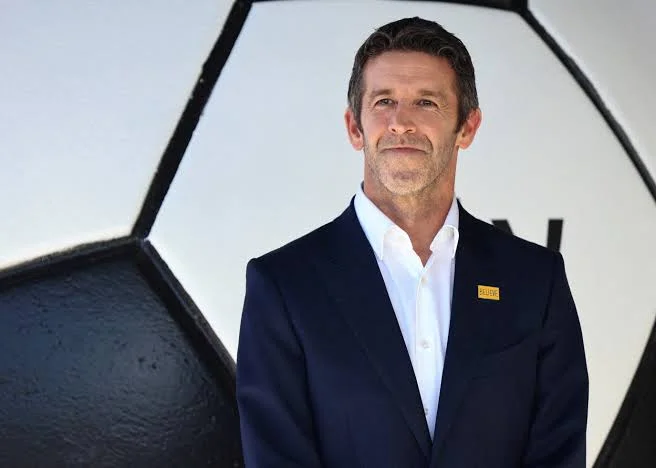
Apple's leadership is entering a new phase under John Ternus, an engineer whose career has been closely tied to the company's hardware development and product design. Taking over as CEO on September 1, Ternus faces the challenge of maintaining Apple's reputation for premium devices while responding to growing competition in artificial intelligence (AI).
Unlike Steve Jobs, known for his visionary product launches, or Tim Cook, recognised for managing Apple's global operations and relationships, Ternus has built his reputation around engineering, collaboration and attention to detail. His appointment signals the importance Apple continues to place on product development as it prepares for its next stage of growth.
One of the defining moments of his early leadership has been the unveiling of the company's anticipated foldable smartphone, the Duo. The device represents a significant design shift for the iPhone and offers a glimpse into how Apple could approach its next generation of consumer technology.
However, the challenge ahead extends beyond launching new hardware. Ternus must demonstrate that Apple's product-focused philosophy can remain competitive in an industry increasingly shaped by AI.
Who Is John Ternus? Apple's Engineer-Turned-CEO
Born in 1975 in Orange County, California, John Ternus developed an interest in Apple products at an early age. His father introduced him to an Apple II computer when he was a child, sparking an interest that eventually influenced his professional path.
Ternus studied mechanical engineering at the University of Pennsylvania. After graduating, he worked at a virtual reality company before joining Apple in 2001 as an engineer.
Over the following decades, he progressed through the company's hardware organisation, contributing to the development and refinement of major Apple products, including the Mac, iPad, AirPods and iPhone.
His professional approach has centred on combining technical performance with an intuitive user experience. Apple executives have described him as a collaborative leader who considers the complete journey of a product, from its engineering foundations to the way customers interact with it.
This background distinguishes Ternus from leaders whose careers have focused primarily on finance, operations or software. His rise to the top suggests that Apple sees product engineering as a central driver of its future strategy.
Apple's Foldable iPhone Duo Signals a Major Design Shift
The introduction of the foldable iPhone Duo is a key development in Apple's product strategy under Ternus. Priced at $1,999 and above, according to the supplied report, the device represents the company's move towards a new smartphone form factor.
Apple has explored foldable-device technology for years. In 2011, Ternus and five other engineers filed a patent application examining the design requirements of foldable electronic devices, including the challenges associated with batteries and circuit boards.
At the time, flexible OLED displays were still an emerging prospect for consumer devices. Ternus has since described the development of flexible displays as a technological direction that appeared increasingly inevitable.
The Duo's significance therefore extends beyond its physical design. It reflects years of engineering work aimed at combining a flexible display with the performance, durability and usability expected from an Apple product.
The launch also highlights the commercial importance of product presentation. During an interaction with online creator IShowSpeed at Apple Park, Ternus demonstrated the device to an audience watching through a livestream. The moment brought the new CEO into direct contact with a large online audience, illustrating how influencer culture has become part of the technology industry's marketing landscape.
For Apple, the challenge will be to turn the attention surrounding the Duo into sustained customer demand. Its premium price also means buyers will expect meaningful advantages over conventional smartphones.
Why Apple's Hardware-First Strategy Matters
For years, Apple has expanded beyond its traditional hardware business, placing greater emphasis on services such as iCloud, Apple Music and the App Store.
These offerings have become important parts of the company's broader business model. However, the appointment of a hardware specialist as CEO points towards renewed attention to the products that originally established Apple's position in the market.
Apple's computers, smartphones and wearable devices remain central to its relationship with customers. Improvements in processing power, camera technology, battery performance, materials and software integration can strengthen that relationship even when changes to a product's outward appearance seem incremental.
Ternus's engineering experience could help Apple focus on improvements that users notice in everyday situations rather than relying exclusively on dramatic announcements.
This strategy also carries risks. Consumers may expect more substantial innovation from a company associated with transformative products such as the original Macintosh, iPod and iPhone. Apple will need to show that its hardware development can deliver new experiences rather than simply more expensive versions of familiar devices.
Apple's Biggest Challenge: Competing in Artificial Intelligence
Artificial intelligence is one of the most important strategic questions facing Ternus.
Major technology companies, including Microsoft, Google, Meta, Amazon and Nvidia, alongside AI-focused firms such as OpenAI and Anthropic, have invested heavily in developing increasingly capable AI systems.
Apple has pursued its own AI development, but the supplied report suggests that the company remains behind the leading edge of the race to build advanced models. That gap could become a competitive concern if AI substantially changes how people work, communicate and interact with technology.
Apple's leadership, however, has defended a different approach. Rather than competing solely on the scale or sophistication of AI models, the company aims to make AI useful through its existing devices and services, with an emphasis on personalisation and privacy.
This approach reflects Apple's established business philosophy: technology should make everyday tasks easier without demanding that users understand the complex systems operating behind the scenes.
The strategy could prove valuable if customers prioritise convenient, integrated and privacy-conscious features. But Apple will still need to demonstrate that its AI capabilities are reliable, useful and competitive with alternatives.
Can Apple Stay Relevant If AI Becomes the Main Technology Platform?
One of the central questions for Ternus is whether smartphones and other physical devices will remain essential as AI systems become more powerful.
He has argued that people will continue to need devices for activities such as communicating, viewing photographs and capturing everyday experiences. From this perspective, even the most advanced AI systems will need accessible ways to reach users.
This is an important distinction in the AI debate. Building a powerful model is only one part of delivering a useful product. Companies must also consider how people access that intelligence, which devices they use and how the technology fits into their daily routines.
Apple's installed base of devices could give it an advantage if it successfully integrates AI into its existing ecosystem. At the same time, that advantage should not be taken for granted. Competitors that offer more capable or convenient AI experiences could influence consumer expectations and purchasing decisions.
For Ternus, the task is to ensure that Apple's hardware remains a compelling platform for emerging technologies rather than allowing AI innovation elsewhere to weaken the appeal of its products.
A Different Leadership Style From Steve Jobs and Tim Cook
Ternus inherits a company shaped by two very different leaders.
Steve Jobs built Apple's identity around bold product ideas, distinctive design and compelling storytelling. Tim Cook subsequently focused on operational efficiency, international supply chains, services and Apple's position in global business and politics.
Ternus brings a more engineering-oriented background. Colleagues have described him as pragmatic, meticulous and collaborative, with a strong belief in the relationship between design and technology.
His leadership does not necessarily require him to imitate either predecessor. Instead, his challenge is to translate his technical expertise into a broader corporate vision that employees, investors, customers and policymakers can understand.
Running Apple requires more than overseeing product development. The CEO must also navigate regulatory scrutiny, international trade, investor expectations and intense competition across several technology markets.
Whether Ternus can combine his engineering strengths with these wider responsibilities will help determine the direction of Apple's next chapter.
What John Ternus's Leadership Could Mean for Apple's Future
Ternus's appointment comes at a time when Apple must balance its established strengths with changing market expectations.
The foldable iPhone Duo represents one possible route to renewed hardware excitement. Continued improvements to the Mac, iPhone, iPad and wearables could reinforce the company's existing ecosystem. Meanwhile, its AI strategy will need to evolve as customers become more familiar with intelligent assistants and AI-powered services.
The key question is whether Apple can connect these priorities into a coherent strategy. A successful foldable phone alone will not resolve the company's AI challenges, just as advances in AI will not automatically guarantee continued demand for premium hardware.
Apple's long-term performance will depend on how effectively it combines product design, engineering, software, services and emerging technologies. Ternus's experience gives him a strong foundation in several of these areas, but the expectations attached to the CEO role are considerably broader than those of a hardware executive.
Conclusion
John Ternus represents a new leadership chapter for Apple, bringing decades of engineering and product-development experience to one of the world's most influential technology companies.
His focus on hardware innovation, illustrated by the reported launch of the foldable iPhone Duo, reflects Apple's enduring belief that well-designed products can shape how people use technology. Yet the company's future will also depend on its ability to respond to the rapid evolution of artificial intelligence.
Ternus does not need to replicate Steve Jobs's showmanship or Tim Cook's management style to succeed. He needs to turn Apple's engineering strengths into products and experiences that remain relevant in a changing technological landscape.
The real test of his leadership will be whether Apple can continue making devices people want while ensuring that the intelligence powering those devices keeps pace with the industry.
Sources By Agencies

Startup Tribune Team is the editorial team behind Startup Tribune, covering startups, business, entrepreneurship, technology, funding and innovation. The team publishes news, company updates and industry insights to keep readers informed about the latest business developments through clear, relevant and responsibly sourced content.




Comments (0)