

Domestic LPG Cylinder Price Increased by ₹29 Amid Rising Global Energy Costs and West Asia Crisis
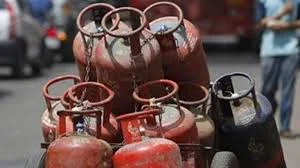
Domestic cooking gas consumers across India will now have to pay more for LPG cylinders after state-owned oil marketing companies announced a fresh increase of ₹29 per cylinder, marking the second hike in the last three months.

Cooking Gas Prices Rise for the Second Time in Three Months as Oil Companies Face Mounting Under-Recoveries
New Delhi: Domestic cooking gas consumers across India will now have to pay more for LPG cylinders after state-owned oil marketing companies announced a fresh increase of ₹29 per cylinder, marking the second hike in the last three months.
Effective from June 7, the price of a 14.2-kg domestic LPG cylinder in Delhi has increased from ₹913 to ₹942, according to industry sources. The latest revision comes amid persistent volatility in global energy markets and supply disruptions linked to the ongoing conflict in West Asia.
The price hike reflects the growing financial pressure on oil marketing companies as rising import costs continue to widen losses on subsidized domestic LPG sales.
Why Have LPG Prices Increased?
According to the Petroleum Ministry, the cost of supplying a domestic LPG cylinder has surged significantly due to elevated international fuel prices and disruptions in global energy supply chains.
Government estimates indicate that the actual cost of supplying a 14.2-kg LPG cylinder has now exceeded ₹1,600, while consumers continue to pay substantially lower rates.
Even after the latest revision, oil marketing companies are reportedly absorbing an under-recovery of nearly ₹700 per domestic cylinder, highlighting the financial burden on fuel retailers.
The government stated that the latest increase is intended to partially reduce these losses while ensuring continued availability of cooking gas to households.
Impact of West Asia Conflict on India's Energy Supply
The ongoing geopolitical tensions in West Asia have had a direct impact on global crude oil, natural gas, and LPG markets.
One of the biggest concerns has been disruptions around the Strait of Hormuz, one of the world's most critical energy transit routes. A significant portion of global oil and gas shipments passes through this strategic waterway.
Industry estimates suggest that approximately 54% of India's LPG imports are routed through the Strait of Hormuz, making the country's cooking gas supply particularly vulnerable to disruptions in the region.
As tensions escalated, shipping activity in the area slowed considerably, resulting in higher transportation costs and increased pressure on fuel imports.
Commercial LPG Prices Reflect Global Market Reality
The scale of rising energy costs can be seen in the pricing of commercial LPG cylinders used by hotels, restaurants, and businesses.
A 19-kg commercial LPG cylinder in Delhi is currently priced at ₹3,113.50 following multiple increases during the recent energy market turbulence.
The government noted that commercial LPG prices are fully market-linked and therefore reflect international fuel costs more directly than domestic household cylinders.
While commercial cylinders also include higher taxes and distribution margins, they provide a clearer indication of the actual market cost of LPG.
Fuel Prices Continue to Rise Across India
The LPG hike comes amid broader increases in fuel prices across the country.
Since mid-May, petrol and diesel prices have witnessed cumulative increases of approximately ₹7.50 per litre, while compressed natural gas (CNG) rates have risen by around ₹6 per kilogram.
Despite these revisions, industry estimates indicate that fuel retailers continue to face losses due to elevated crude oil prices and higher import costs.
Reports suggest that oil marketing companies are currently incurring losses of approximately:
- ₹11 per litre on petrol
- ₹33.6 per litre on diesel
These losses have intensified concerns about the long-term financial sustainability of fuel pricing policies amid volatile global energy markets.
Under-Recoveries on Domestic LPG Reach Record Levels
The financial burden on oil marketing companies has continued to grow over the past year.
According to official figures, cumulative under-recoveries on domestic LPG sales reached nearly ₹60,000 crore by the end of the previous financial year, compared to ₹41,338 crore in the year before.
To support state-owned fuel retailers, the Union Cabinet has approved compensation of ₹30,000 crore to offset part of the losses incurred through the sale of domestic cooking gas.
However, industry experts believe that companies remain under significant pressure as international energy prices remain elevated.
What Consumers Can Expect Going Forward
Energy analysts suggest that future LPG pricing decisions will largely depend on developments in global crude oil markets and geopolitical conditions in West Asia.
If supply disruptions persist or international fuel prices continue to rise, oil marketing companies may face further challenges in balancing consumer affordability with financial sustainability.
At the same time, any stabilization in global energy markets could help moderate future fuel price increases and ease pressure on both consumers and fuel retailers.
For now, the latest LPG price hike underscores the growing impact of global energy disruptions on India's domestic fuel market and highlights the country's continued dependence on imported energy resources.
(With inputs from agencies)







Comments (0)