

Houthis Claim Attack on Saudi Aramco Facilities as Explosions Shake Riyadh
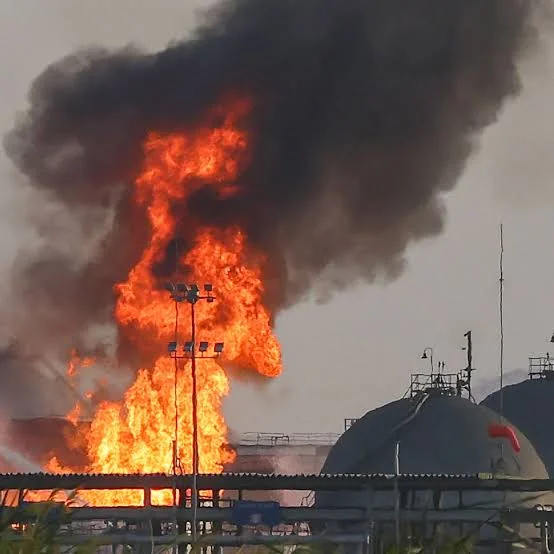
Yemen's Houthi movement has claimed responsibility for attacks targeting Saudi Aramco facilities as explosions were reported across Riyadh, intensifying concerns about the security of Saudi Arabia's energy infrastructure and the wider regional conflict.
The developments followed reports from Saudi officials that a building associated with Aramco's operations in Dhahran had been struck. Saudi authorities reported a limited fire at the site but said there were no casualties.
The Saudi-led coalition fighting the Houthis also announced that its air defence systems had intercepted a missile directed towards Riyadh. Meanwhile, residents and journalists reported hearing explosions in the Saudi capital, accompanied by alerts warning of a possible aerial threat.
The latest incidents mark a further escalation in hostilities between Saudi Arabia and the Iran-backed Houthi movement, with potential implications for regional security, oil infrastructure and international energy markets.
Houthi Spokesperson Announces Missile and Drone Operations
Yahya Saree, the Houthis' military spokesperson, said the group had conducted a military operation against Saudi Aramco facilities in Dhahran. He also claimed that the operation included attacks targeting Riyadh airport and a refinery in the Saudi capital.
According to Saree, the strikes involved missiles and unmanned aerial vehicles. He indicated that further operations against Saudi airports and oil installations could follow in the coming days.
These statements represent the Houthis' account of the attacks. The extent of the damage and the details of the claimed operations have not been independently established in the available reporting.
The reported targeting of energy infrastructure is particularly significant because Saudi Arabia is one of the world's largest oil exporters. Disruptions to its production, processing or transportation facilities could affect regional energy security and influence international crude oil prices.
Damage Reported at Aramco Site in Dhahran
A Saudi energy ministry official said a building linked to Saudi Aramco in Dhahran had been hit, resulting in a fire that was quickly described as limited. No injuries or deaths were reported at the facility.
Dhahran is a major centre of Saudi Arabia's oil industry and is home to Aramco's headquarters complex, which includes office buildings and residential facilities.
Two employees familiar with the incident reportedly told Agence France-Presse that a tower within the headquarters complex had sustained damage during the overnight strike. One source described severe damage to the upper floors, while another confirmed that the building had been hit.
However, independent verification of the full extent of the damage remained unavailable. AFP reported that it had not received access to the site to assess the destruction directly.
The incident has raised questions about the vulnerability of critical energy facilities as the conflict expands beyond military positions and into economically important areas.
Explosions and Air Raid Alerts Raise Concern in Riyadh
Residents in Riyadh reported explosions as Saudi air defence systems responded to incoming threats. According to AFP journalists, air defence interceptors were visible in the night sky, with bright trails followed by blasts.
A witness described seeing a projectile move across the sky above a shopping centre before leaving a trail of light and smoke. Residents reportedly stopped to watch the incident, with some expressing concern about the proximity of the attacks.
Further explosions were heard on Wednesday, while mobile phone alerts warned residents of an aerial threat and advised them to seek shelter.
The incidents have increased public concern as attacks appear to be reaching areas closer to the Saudi capital's urban centre. Although Saudi Arabia has faced attacks on infrastructure in the past, the reported escalation has prompted additional precautions in daily life.
Authorities and security services face the challenge of protecting densely populated areas while maintaining the operation of essential services and transport networks.
Saudi-Led Coalition Launches Retaliatory Strikes in Yemen
The Saudi-led coalition has continued military operations against the Houthis in Yemen. Coalition spokesperson Turki Al-Malki said strikes carried out in western Yemen targeted facilities allegedly used to threaten Saudi Arabia, Yemen and maritime routes in the southern Red Sea.
Saudi Arabia has supported Yemen's internationally recognised government in its conflict with the Houthis since 2015. The prolonged fighting has contributed to widespread displacement, economic hardship and a serious humanitarian crisis.
The latest exchange of attacks raises concerns that the conflict could enter another period of intensified military operations, with consequences extending beyond the immediate battlefield.
In Sanaa, Yemen's capital, which remains under Houthi control, residents were reportedly queuing at fuel stations amid fears of shortages. Further disruption to fuel supplies could place additional pressure on civilians already affected by years of conflict and economic instability.
Saudi Arabia Introduces Measures as Security Concerns Grow
The reported attacks have prompted changes to everyday activities in Saudi Arabia, particularly in Riyadh. Traffic was lighter than usual in parts of the capital, according to AFP journalists, as schools shifted to remote learning and some companies introduced work-from-home arrangements.
The Saudi Pro League also postponed three football fixtures, including a match involving Cristiano Ronaldo's Al Nassr. Organisers of the Six Kings Slam tennis tournament announced a delay, moving the event from its originally planned schedule to December.
Despite the security concerns, Saudi Arabia was reportedly preparing to proceed with a major investment conference in Riyadh later in the month. The event, often referred to as the "Davos in the Desert", was expected to offer both in-person and virtual participation, alongside alternative travel arrangements.
These developments demonstrate how escalating security risks can affect business activity, sporting events, transportation and international gatherings.
Strait of Hormuz and Red Sea Disruptions Add to Energy Market Risks
The escalation comes amid wider instability affecting key maritime routes in the Middle East. Restrictions and security threats around the Strait of Hormuz have disrupted regional trade, while Houthi attacks in the Red Sea have created additional risks for shipping.
These waterways are strategically important for the transportation of crude oil, petroleum products and other goods. Any prolonged disruption can increase shipping costs, complicate export logistics and contribute to uncertainty in global energy markets.
Saudi Arabia has sought to maintain alternative routes for exporting oil, including infrastructure that enables shipments to bypass the Strait of Hormuz. However, threats affecting the Red Sea and nearby maritime corridors could limit the effectiveness of those alternatives.
An attack on a major oil facility does not automatically translate into a sustained reduction in global oil supplies. The eventual impact depends on the severity of the damage, the operational status of affected facilities, available export capacity and the duration of any disruption.
Nevertheless, the combination of attacks on energy infrastructure and threats to shipping routes could add volatility to oil markets if the situation deteriorates further.
What the Latest Escalation Means for Saudi Arabia
The reported strikes highlight the growing security challenges facing Saudi Arabia as tensions involving the Houthis and other regional actors intensify.
Energy infrastructure remains a particularly sensitive target because it supports government revenue, export earnings and the stability of international oil supplies. Even limited damage can trigger heightened security measures and market concerns when the affected facilities are strategically important.
At the same time, continued military action in Yemen risks worsening conditions for civilians and further disrupting fuel availability, transport and trade.
The situation also raises questions about the durability of regional de-escalation efforts and the protection of commercial shipping through the Red Sea and surrounding waterways.
The next developments will depend on the scale of any further attacks, the effectiveness of Saudi air defences and whether diplomatic efforts can prevent the confrontation from expanding.
Conclusion
The Houthis' claim of attacks on Saudi Aramco facilities, combined with reports of explosions in Riyadh and an intercepted missile, signals a serious escalation in regional tensions. Saudi officials have reported a limited fire at an Aramco-linked building without casualties, although the full extent of the damage remains unverified.
Saudi-led coalition strikes in Yemen and concerns about fuel supplies underline the wider consequences of the confrontation for both countries.
Beyond the immediate security threat, the developments could affect oil infrastructure, maritime trade, business confidence and energy market sentiment. Whether these risks intensify will depend on the scale of further military action and the ability of regional powers to contain the conflict.
Sources By Agencies

Startup Tribune Team is the editorial team behind Startup Tribune, covering startups, business, entrepreneurship, technology, funding and innovation. The team publishes news, company updates and industry insights to keep readers informed about the latest business developments through clear, relevant and responsibly sourced content.





Comments (0)