

Rahul Gandhi, Opposition Leaders Move Supreme Court Against ECI’s SIR Process
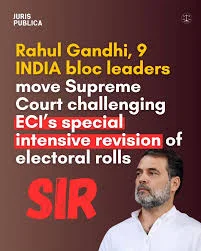
The Supreme Court of India is expected to consider a petition filed by Lok Sabha Leader of the Opposition Rahul Gandhi and other Opposition leaders challenging aspects of the Election Commission of India’s Special Intensive Revision (SIR) of electoral rolls.
The petition raises concerns over the decision-making process followed by the Election Commission and seeks judicial scrutiny of the exercise conducted under Chief Election Commissioner Gyanesh Kumar. The Opposition leaders have alleged that the process involved unilateral decisions and have requested greater transparency regarding the Commission’s internal deliberations.
The matter is likely to come up for consideration on Thursday, October 15, 2026, although the final hearing schedule may depend on the Supreme Court’s roster and the availability of the Bench.
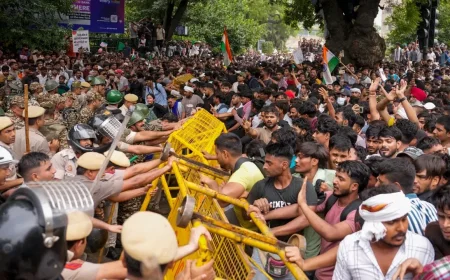
The petition also raises concerns about police action connected with the anti-CEC protests held on October 10.
Opposition Seeks Disclosure of Election Commission Records
Rahul Gandhi and other INDIA bloc leaders approached the Supreme Court on October 12, seeking access to documents relating to the Election Commission’s decision-making on the SIR exercise.
Their plea seeks disclosure of official records, including files, meeting agendas, minutes, internal notes and objections recorded by Election Commissioners Sukhbir Singh Sandhu and Vivek Joshi.
The petitioners argue that access to these materials is necessary to examine how decisions concerning the revision of electoral rolls were reached. The request places the Commission’s internal procedures and the transparency of its decisions at the centre of the legal challenge.
The Opposition has also raised concerns about the reported removal of approximately 13 crore names from electoral rolls during the revision process, as stated in the source report. The implications of these changes for eligible voters and the accuracy of electoral records form an important part of the dispute.
Plea Seeks Temporary Suspension of the SIR Exercise
Alongside the request for disclosure, the petitioners have asked the Supreme Court to consider temporarily halting the SIR process while the legal questions raised in their plea are examined.
The requested interim relief is intended to protect eligible voters from potentially adverse consequences while the court considers the matter. The petitioners have also emphasised the importance of preserving the credibility of the electoral process.
The court’s consideration of this request could have implications for how the ongoing revision exercise proceeds. However, filing a petition does not automatically suspend the Election Commission’s actions. Any suspension would depend on an order passed by the Supreme Court.
The central questions include whether the process followed by the Commission meets applicable legal requirements, whether the requested records should be disclosed, and what safeguards may be necessary to protect voters’ rights.
Supreme Court Judge’s Absence May Affect Related Proceedings
The Supreme Court’s schedule has also drawn attention because Justice V. Mohana is reportedly unwell and is not scheduled to hold court on October 15, according to a notice on the court’s official website.
Justice Mohana was part of a special Bench led by Justice Joymalya Bagchi that heard petitions concerning the alleged illegal detention of protesters and the police response to the October 10 demonstrations against the Chief Election Commissioner.
During the hearing on October 11, the Bench directed the Union government and the relevant authorities to submit affidavits explaining their actions during the protests.
The Bench also issued notices in contempt petitions concerning the Union government and Delhi Metro authorities. The proceedings were initially scheduled for October 13 before being rescheduled for October 15.
The Union government had sought additional time to submit its affidavit, with October 15 indicated as the revised deadline.
Justice Mohana’s absence may affect the scheduling of these related matters, depending on the court’s arrangements. The final listing and composition of the Bench would determine when the cases are taken up.
Dasara Court Recess Adds to the Scheduling Pressure
The timing of the proceedings is significant because October 16 is expected to be the last working day before the Supreme Court’s Dasara holiday recess, which is scheduled to continue through the following week.
This leaves a limited window for the court to take up the listed matters before the break. If a hearing does not take place as anticipated, further proceedings may depend on the revised listing after the recess or any directions issued by the court.
However, the holiday schedule alone does not determine the outcome of the petition or guarantee when the matter will next be heard.
Why the SIR Case Matters for Voter Rights
The Special Intensive Revision is intended to facilitate a detailed review and updating of electoral rolls. Such exercises are important for maintaining accurate voter records, but they can also raise questions about how eligible electors are identified and protected during the process.
The legal challenge brought by Rahul Gandhi and other Opposition leaders focuses on the transparency of the Election Commission’s decisions, access to relevant records and the possibility of interim safeguards during the revision.
The case also highlights the wider importance of due process in electoral administration. Accurate voter lists are essential to elections, while appropriate verification and opportunities to address disputed entries can help prevent eligible citizens from losing their right to vote.
The Supreme Court’s response to the petition may therefore be significant for the immediate dispute and for the broader debate over accountability, institutional transparency and the protection of electoral rights.
Conclusion
Rahul Gandhi and other INDIA bloc leaders have approached the Supreme Court seeking judicial scrutiny of the Election Commission’s Special Intensive Revision of electoral rolls. Their petition requests disclosure of internal decision-making records and temporary suspension of the exercise while the court considers their concerns.
The anticipated hearing on October 15 comes amid separate proceedings concerning the October 10 protests and uncertainty surrounding the availability of a judge on the relevant Bench.
The next developments will depend on the Supreme Court’s listing decisions, the responses filed by the authorities and any interim directions the Bench may issue. Until the court passes an order, the petitioners’ requests remain matters for judicial consideration.
Sources By Agencies

Startup Tribune Team is the editorial team behind Startup Tribune, covering startups, business, entrepreneurship, technology, funding and innovation. The team publishes news, company updates and industry insights to keep readers informed about the latest business developments through clear, relevant and responsibly sourced content.





Comments (0)