

One Year After Air India AI171 Crash, Investigation Makes ‘Significant Progress’, Says AAIB
One year after the tragic crash of Air India Flight AI171 in Ahmedabad, the Aircraft Accident Investigation Bureau (AAIB) has announced that substantial progress has been made in uncovering the factors behind one of India's deadliest aviation disasters in recent years.

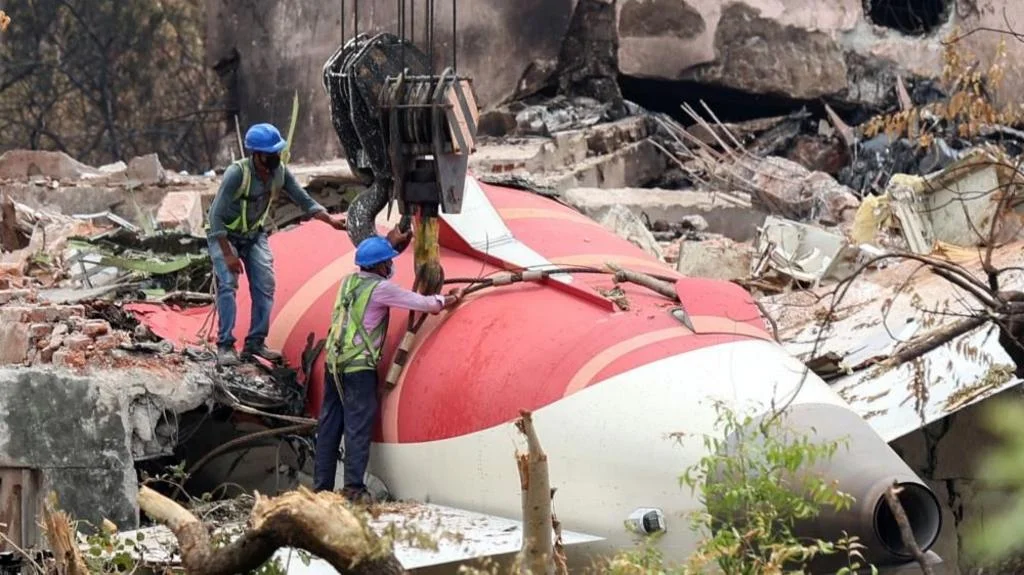
Probe Into Deadly Boeing 787 Dreamliner Crash Continues as Investigators Analyze Technical and Operational Evidence
New Delhi: One year after the tragic crash of Air India Flight AI171 in Ahmedabad, the Aircraft Accident Investigation Bureau (AAIB) has announced that substantial progress has been made in uncovering the factors behind one of India's deadliest aviation disasters in recent years.
The London-bound flight crashed shortly after take-off on June 12, 2025, claiming the lives of 241 of the 242 passengers and crew onboard, along with 19 people on the ground. The accident shocked the aviation industry and triggered a high-profile international investigation involving aviation experts, technical advisers, and regulatory authorities.
AAIB Reports Significant Progress in Air India Crash Investigation
In an official statement marking the first anniversary of the tragedy, the AAIB said investigators have carried out a comprehensive examination of all critical aspects related to the crash.
According to the agency, the investigation has focused on:
- Aircraft systems and performance
- Flight recorder data analysis
- Engine-related components
- Maintenance records
- Operational procedures
- Human factors
- Organizational and technical evidence
The bureau stated that experts from multiple organizations, including accredited international representatives and aviation specialists, have contributed to the ongoing investigation.
Authorities emphasized that a significant amount of evidence has already been reviewed, with further analysis continuing to determine the exact sequence of events that led to the crash.
Air India Flight AI171 Crash: What Happened?
Air India Flight AI171, a Boeing 787 Dreamliner, was operating a scheduled service from Ahmedabad to London Gatwick Airport when it crashed just 32 seconds after take-off.
The devastating accident resulted in one of the highest aviation death tolls in recent Indian history.
Remarkably, only one passenger survived the crash.
The incident immediately drew global attention because it involved a modern long-haul aircraft and raised questions about flight safety, operational procedures, and aircraft systems.
Preliminary Findings Revealed Fuel Control Switch Movement
The AAIB's preliminary investigation report released last year revealed a critical finding.
Investigators discovered that moments before the crash, both engine fuel control switches moved from the "RUN" position to the "CUTOFF" position.
This movement would have interrupted fuel flow to the aircraft's engines, significantly affecting their performance during a critical phase of flight.
However, investigators have not yet determined what caused the switches to change position.
The preliminary report did not assign responsibility or blame to any individual, organization, or manufacturer.
Global Aviation Industry Watching Investigation Closely
The investigation has attracted significant international attention due to its potential implications for aviation safety and aircraft operations worldwide.
As the aircraft involved was a Boeing 787 Dreamliner, the findings could influence future safety recommendations, operational procedures, and regulatory assessments across the global aviation industry.
Experts continue to monitor the investigation as authorities work to establish a clear and evidence-based explanation for the accident.
Additional Technical Examinations Underway
The AAIB confirmed that investigators are continuing to conduct specialized technical evaluations and scientific examinations wherever necessary.
Officials stated that all findings and conclusions will be based solely on verified evidence and detailed analysis.
The bureau emphasized that the primary objective of the investigation is to enhance aviation safety and prevent future accidents.
"The purpose of an accident investigation is not to assign blame but to identify lessons and safety recommendations that can improve aviation safety," the agency reiterated.
Final Report Yet to Be Released
According to the AAIB, the final investigation report will be published only after all technical examinations, analyses, and mandatory international review procedures are completed.
The agency reaffirmed its commitment to conducting a thorough, independent, and objective investigation that adheres to international aviation standards.
The final report is expected to provide a detailed account of the factors that contributed to the crash and recommend measures to strengthen aviation safety.
Civil Aviation Minister Remembers Victims
Marking the first anniversary of the tragedy, Civil Aviation Minister K. Rammohan Naidu paid tribute to those who lost their lives.
In a message shared publicly, the minister expressed condolences to the families affected by the disaster and reaffirmed the government's commitment to uncovering the causes of the accident.
He stated that the investigation continues with professionalism and diligence under established national and international aviation procedures.
The minister also emphasized that enhancing aviation safety remains a key priority for authorities.
Sole Survivor Opens Up About Ongoing Struggles
The sole survivor of the crash, Viswashkumar Ramesh, has spoken publicly about the challenges he continues to face a year after the accident.
While expressing gratitude for surviving, Ramesh said the emotional and psychological impact of the tragedy remains profound.
According to him, the aftermath of the crash has involved ongoing struggles with:
- Anxiety
- Sleep disturbances
- Traumatic memories
- Physical recovery
- Financial challenges
He noted that while many focus on the fact that he survived, the long-term consequences of the tragedy continue to affect his daily life.
Ramesh said he remains focused on rebuilding his future while supporting his family through the difficult recovery process.
A Tragedy That Changed Indian Aviation
The Air India AI171 crash remains one of the most significant aviation incidents in India's modern history.
As investigators continue to analyze crucial evidence, families of victims, aviation professionals, and industry stakeholders await answers that could help prevent similar tragedies in the future.
The ongoing investigation serves as a reminder of the importance of rigorous safety standards, continuous oversight, and evidence-based improvements within the aviation sector.
With substantial progress reported and further technical analysis underway, the final findings are expected to play a critical role in shaping future aviation safety practices both in India and globally.
(With inputs from agencies)










Comments (0)