

India Sugar Prices Rise Despite Record Sugarcane Production: What Is Driving the Supply Squeeze?
India is facing an unusual sugar supply squeeze: sugarcane production has hit a record high, yet sugar prices have surged sharply. Retail sugar prices, which were around ₹48 per kg earlier, have crossed ₹65 per kg in some markets as festive demand picks up.

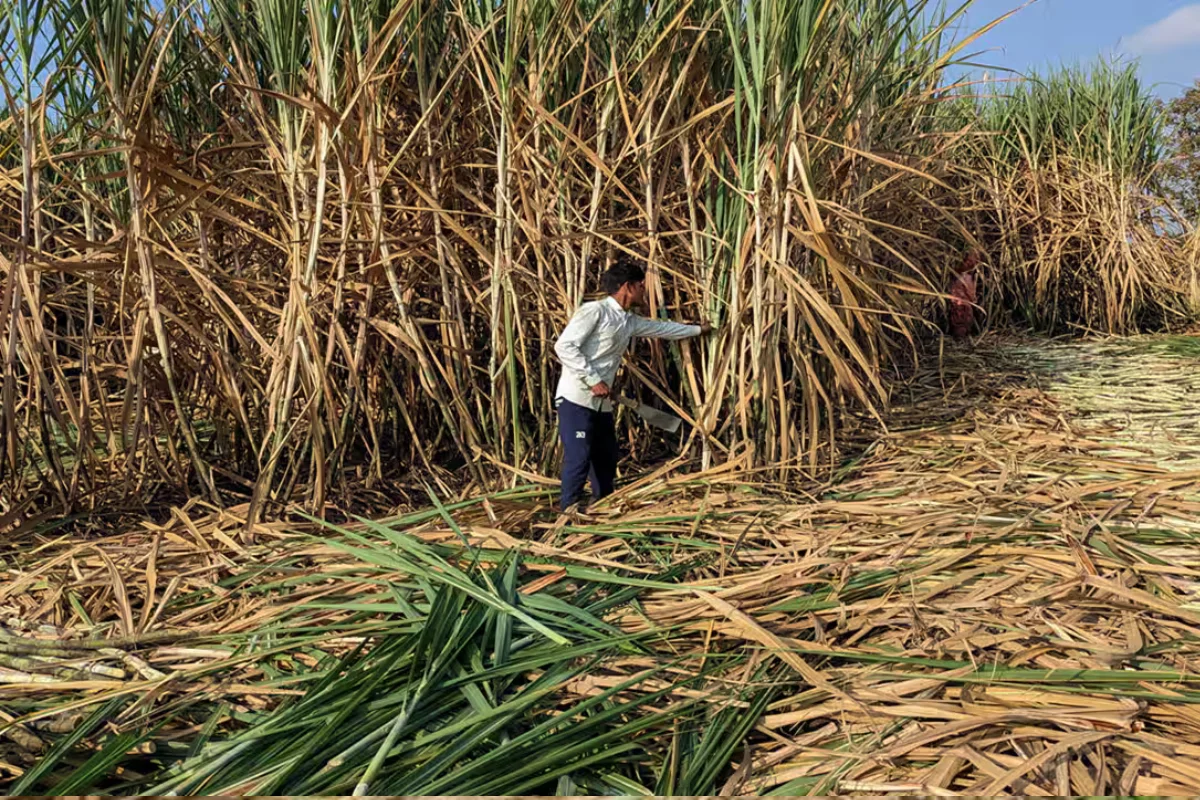
India is facing an unusual sugar supply squeeze: sugarcane production has hit a record high, yet sugar prices have surged sharply. Retail sugar prices, which were around ₹48 per kg earlier, have crossed ₹65 per kg in some markets as festive demand picks up.
The latest government data showed the all-India average retail sugar price at about ₹65.05 per kg on August 26, up from ₹63.97 the previous day.
The sharp increase has raised an important question: Why are sugar prices rising in India when the country has produced a record quantity of sugarcane?
The answer lies in the difference between sugarcane production and actual sugar recovery.
India's sugar industry has been affected by lower sugar recovery, crop diseases, weather-related damage, changing production estimates, export commitments and stronger domestic demand. The government has responded with measures including stockholding restrictions, additional domestic supply and duty-free raw sugar imports.
Record Sugarcane Production Does Not Mean Record Sugar Output
India's sugarcane production is estimated at 500.063 million tonnes, up significantly from 454.611 million tonnes in the previous year, according to government data.
At first glance, such a large crop should have ensured abundant sugar supplies. However, the quantity of sugar produced depends not only on how much sugarcane is harvested but also on the sugar recovery rate.
Sugar recovery refers to the amount of sugar that mills can extract from a given quantity of sugarcane.
For example, a recovery rate of 10% means that roughly 10 kg of sugar can be recovered from 100 kg of cane. Even a relatively small decline in the recovery rate can therefore translate into millions of tonnes of lost sugar output when applied across India's enormous sugarcane crop.
Sugar Recovery Rate Falls Sharply
The national average sugar recovery rate has reportedly fallen from around 9.70% to 8.91% during the current season.
That decline has become one of the most important factors behind India's sugar supply shortage.
The government's revised outlook now puts sugar production for the 2025-26 sugar season at around 306 lakh metric tonnes (LMT), compared with an earlier estimate of approximately 343 LMT. That represents a reduction of around 11% from the initial projection.
In other words, India may have produced record amounts of sugarcane, but mills are extracting considerably less sugar from the crop than initially expected.
Crop Diseases and Weather Damage Hit Sugar Output
One of the major reasons for the lower sugar recovery is crop damage.
Government explanations have pointed to Red Rot and Top Borer, along with waterlogging caused by excessive rainfall, as factors affecting sugarcane quality and sugar recovery.
Red Rot is a fungal disease that damages sugarcane internally and can reduce both cane productivity and sugar content. Top Borer, meanwhile, is an insect pest that attacks the upper portion of the sugarcane plant.
These problems have been particularly significant in some of India's major sugar-producing regions.
The result is a widening gap between headline sugarcane production and the amount of usable sugar available for domestic consumption.
Why Sugar Prices Are Rising in India
Several factors are coming together to push sugar prices higher.
1. Lower-than-Expected Sugar Production
The biggest factor is the downward revision in sugar production.
The earlier estimate of around 343 LMT has fallen to approximately 306 LMT. The lower output has reduced the buffer available to the domestic market and increased concerns about end-season stocks.
2. Strong Festive Demand
Sugar consumption traditionally increases during India's festive season.
Demand rises for sweets, confectionery, beverages, packaged foods and household consumption. With festivals approaching, traders and consumers typically begin building inventories.
This has added further pressure to an already tighter market.
Recent government data showed retail sugar prices rising to around ₹65 per kg, with festive demand cited as an important factor.
3. Export Commitments
India also allowed sugar exports during the 2025-26 season.
The Department of Food and Public Distribution allocated an initial 15 LMT export quota for the season, with further quota allocations subsequently made.
When domestic production expectations weaken after export commitments have already been made, the supply cushion available to the Indian market can become narrower.
4. Ethanol Diversion Debate
The diversion of sugarcane products towards ethanol has also become part of the debate surrounding India's sugar supply.
However, the government has rejected the argument that ethanol diversion is responsible for the latest price surge. Officials have said the quantity of sugar diverted towards ethanol has actually declined compared with previous years.
This means the current price rally cannot be explained by ethanol alone.
5. Stockholding and Market Expectations
Expectations can have a major impact on commodity prices.
As traders became increasingly concerned about lower sugar production and tighter inventories, the market began anticipating a supply shortage.
The government has subsequently imposed stockholding limits and undertaken physical verification of sugar stocks. The Department of Food and Public Distribution's current orders include monthly stockholding limits for sugar mills and restrictions on dealer inventories.
Such measures are intended to discourage excessive stock accumulation and improve availability in the domestic market.
India Allows Duty-Free Sugar Imports
With domestic sugar prices rising sharply, the government has taken an unusual step.
India has approved duty-free imports of 1 million metric tonnes of raw sugar to strengthen domestic supplies. The measure is intended to address the immediate supply gap before the peak festive demand period.
India normally maintains a high import duty on sugar, making the decision significant for the domestic market.
The government expects imports to provide additional supply, although shipments from major producers such as Brazil may take time to arrive because of transportation and processing schedules.
The import decision has already affected global sugar markets, with international sugar futures rising after India's announcement.
More Refined Sugar Could Enter the Domestic Market
The government has also approved the release of around 3 to 3.5 lakh tonnes of refined sugar into the domestic market.
The sugar is held by Indian refiners that import raw sugar duty-free, process it and traditionally export the refined product. Allowing some of this sugar to be sold domestically could provide an immediate boost to market availability.
This could help ease some of the short-term pressure on retail prices.
Will Sugar Prices Fall?
The government's recent measures are aimed at increasing supply and preventing further price escalation.
Duty-free imports, additional domestic releases and stockholding restrictions could help narrow the supply gap. However, the speed and extent of any price correction will depend on several factors, including import arrivals, domestic demand, remaining sugar stocks and the next sugarcane crop.
For consumers, the immediate concern remains the price of sugar in retail markets, particularly as festive demand increases.
For the sugar industry, meanwhile, the episode highlights a structural issue: record sugarcane production does not automatically guarantee adequate sugar supplies.
The recovery rate, crop health, weather conditions, inventory levels, exports and government policy can all determine how much sugar ultimately reaches consumers.
The Bigger Picture for India's Sugar Market
India's current sugar-price surge is therefore not simply a story of inadequate sugarcane production.
It is a story of lower sugar recovery, crop damage, revised production estimates, tighter inventories and stronger seasonal demand converging at the same time.
The government's decision to permit duty-free imports of raw sugar and increase domestic availability shows how quickly the market outlook can change when production estimates fall.
The key question now is whether additional imports and domestic releases will be sufficient to stabilize prices before festive demand reaches its peak.
For Indian consumers, the answer will be visible in retail sugar prices over the coming weeks.











Comments (0)