

Delhi Metro Shuts 11 Stations Ahead of Jantar Mantar Protest Against CEC Gyanesh Kumar
Delhi Metro has temporarily closed entry and exit at 11 stations in central Delhi as security was tightened ahead of a proposed protest at Jantar Mantar against Chief Election Commissioner Gyanesh Kumar. The restrictions were announced on October 2, with authorities citing security and crowd-management requirements around the protest site.

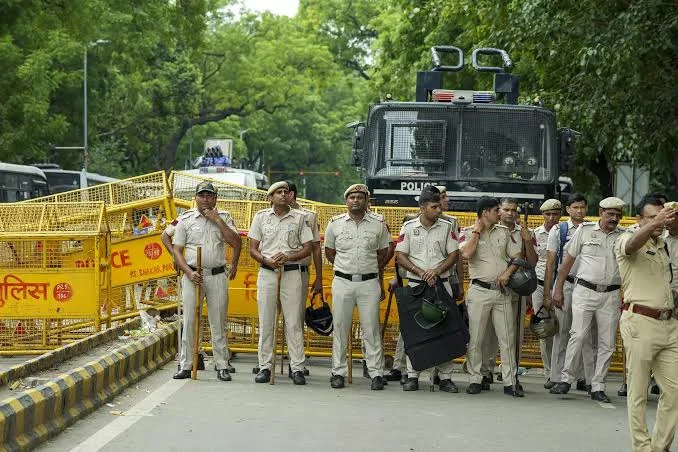
Delhi Metro has temporarily closed entry and exit at 11 stations in central Delhi as security was tightened ahead of a proposed protest at Jantar Mantar against Chief Election Commissioner Gyanesh Kumar. The restrictions were announced on October 2, with authorities citing security and crowd-management requirements around the protest site.
The Delhi Police has denied permission for the proposed demonstration and imposed prohibitory restrictions in the New Delhi district. Police and Rapid Action Force personnel have been deployed around Jantar Mantar, while traffic restrictions are also being implemented in several adjoining areas.
The protest has been called over allegations concerning the Special Intensive Revision (SIR) of electoral rolls and the functioning of the Election Commission. These allegations are contested, and the Election Commission has defended its procedures in the broader dispute.
11 Delhi Metro Stations Closed
The Delhi Metro Rail Corporation (DMRC) has closed entry and exit facilities at 11 stations until further notice.
The affected stations are:
- Janpath
- Patel Chowk
- Central Secretariat
- Rajiv Chowk
- Seva Teerth
- Mandi House
- Lok Kalyan Marg
- INA
- Chawri Bazar
- Ramakrishna Ashram Marg
- New Delhi
Metro services have not been completely suspended at all these locations. Interchange facilities remain available at selected stations, including Rajiv Chowk, Mandi House, New Delhi and Central Secretariat.
The restrictions affect several important transport points in central Delhi and are expected to impact commuters travelling through the New Delhi area.
Why Has Delhi Metro Closed These Stations?
The closures come amid heightened security arrangements for the proposed Jantar Mantar demonstration.
According to police sources, authorities were preparing for a potentially large gathering. Reports put the expected turnout at around 3,000 to 4,000 people, prompting additional deployment of security personnel and crowd-control arrangements.
Police and Rapid Action Force personnel have been deployed around Jantar Mantar, with barricades and additional security teams positioned at important entry and exit points.
The restrictions are intended to regulate movement around the protest area and prevent unauthorised gatherings.
Section 163 BNSS Imposed in New Delhi
Prohibitory orders under Section 163 of the Bharatiya Nagarik Suraksha Sanhita (BNSS) are in force in the New Delhi district.
According to the restrictions reported by authorities, public meetings, demonstrations, processions, picketing and dharnas involving five or more people require prior written permission.
The order also restricts certain forms of public activity, including slogans and speeches, without permission. Authorities have advised people not to gather in the affected areas for unauthorised protests.
Delhi Police officials have appealed to commuters and members of the public to cooperate with security personnel and follow official instructions.
Delhi Traffic Restrictions Around Jantar Mantar
The Metro restrictions are accompanied by traffic controls across several central Delhi roads.
Traffic movement is being regulated around areas including:
- Jantar Mantar Road
- Parliament Street
- Connaught Place
- Patel Chowk
- Tolstoy Marg
- GPO
- Ashoka Road and adjoining stretches
Commuters have been advised to avoid the affected areas where possible and use alternative routes. Traffic diversions and regulated movement may result in additional travel time for motorists and public transport users.
Who Called the Jantar Mantar Protest?
The proposed demonstration has been backed by the All India Students' Association (AISA), Rajya Sabha MP Manoj Jha and Supreme Court lawyer Prashant Bhushan.
The organisers have raised allegations concerning electoral-roll revisions and the functioning of the Election Commission. They are seeking action against Chief Election Commissioner Gyanesh Kumar.
The allegations form part of a wider political and public debate surrounding the Special Intensive Revision of electoral rolls.
What Is the SIR Electoral Roll Controversy?
The Special Intensive Revision (SIR) is an electoral-roll revision exercise that has become a subject of political and public debate.
Opposition groups and protest organisers have raised concerns about the process and its potential effect on voters. The Election Commission, meanwhile, has defended its procedures.
The current Jantar Mantar protest is linked to those broader disagreements over electoral rolls and the functioning of the poll panel.
Why Did the Protest Begin?
The latest agitation follows reporting about disagreements within the Election Commission concerning aspects of the SIR exercise and other electoral matters.
A report cited in coverage of the protest said Election Commissioners Sukhbir Singh Sandhu and Vivek Joshi had raised objections on multiple occasions over a 10-month period concerning decisions and procedures related to the SIR exercise and other electoral matters.
Those reports have contributed to renewed political debate around the Election Commission.
The claims surrounding the electoral process remain part of an ongoing political dispute, rather than established findings of wrongdoing.
Security Tightened Across Central Delhi
Security has been significantly increased around Jantar Mantar and other sensitive locations in central Delhi.
Police and CAPF personnel have been deployed, while barricades have been installed at several locations to regulate movement.
Authorities have also issued public advisories regarding road restrictions and Metro services.
The measures are aimed at maintaining public order and managing movement around the proposed protest site.
What Commuters Need to Know
People travelling through central Delhi should account for the Metro entry and exit restrictions and possible road diversions.
While several stations remain operational for interchange, passengers may not be able to enter or exit at the affected stations.
Commuters travelling towards Connaught Place, Parliament Street, Jantar Mantar and nearby areas should check the latest Delhi Metro and traffic advisories before starting their journey.
The restrictions will remain in place until further notice, according to the latest Metro service information.
Political and Public Debate Continues
The Jantar Mantar protest comes amid wider disagreements over the Election Commission, electoral-roll revisions and the SIR exercise.
The proposed demonstration has brought together student organisations, political representatives and civil-society voices seeking action against the Chief Election Commissioner.
At the same time, authorities have emphasised that the protest did not receive permission and have introduced restrictions to manage public order.
The situation in central Delhi is therefore being closely monitored, with police expected to adjust security and traffic arrangements depending on developments.







Comments (0)